Key Takeaways
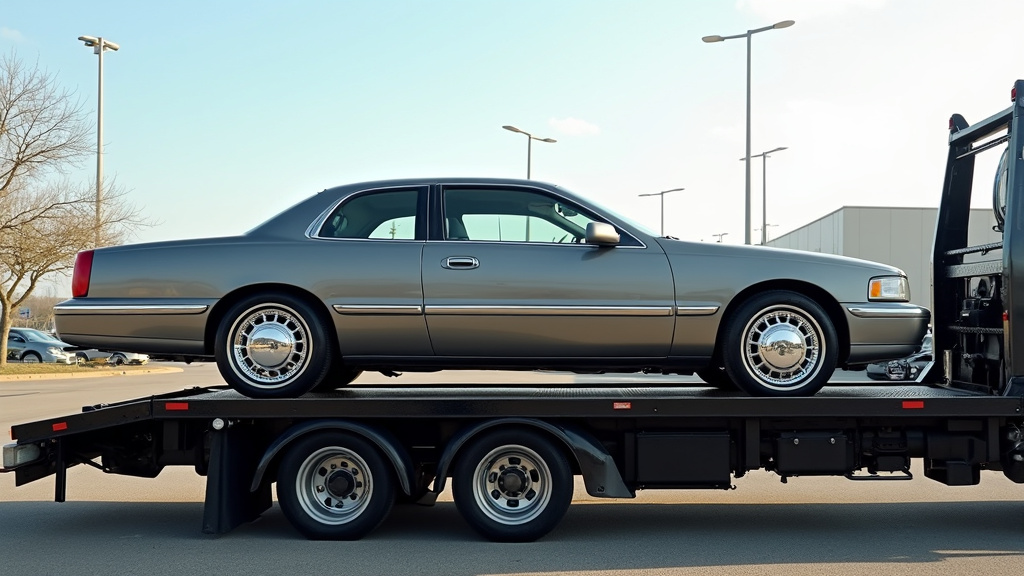
- Car shipping in Pennsylvania is a significant industry, with over 2.5 million vehicles transported annually.
- The state’s central location makes it a major hub for interstate car shipping, serving the Northeast and Midwest.
- Average car shipping costs within Pennsylvania range from $500 to $1,000, depending on distance and vehicle type.
- The most common types of cars shipped in PA are used cars, classic cars, and new vehicles from dealerships.
- Timing is important: shipping during off-peak seasons can save up to 20% compared to peak periods.
- Local regulations and road conditions can impact shipping times, especially in heavily trafficked urban areas.
- Choosing a reputable car shipping company reduces risks, ensures better care for your vehicle, and offers peace of mind.
At a glanceThe pennsylvania is a well-established industry, serving a diverse market from the state’s major urban centers to its rural areas. With over 100 car transport companies operating within the state, options abound for both individual vehicle owners and commercial fleet managers. The industry’s growth is driven by a 20% increase in interstate car shipping over the past five years, reflecting Pennsylvania’s role as a critical transportation hub.
The pennsylvania is a vital part of the state’s economy and logistics infrastructure, connecting communities, businesses, and institutions across diverse regions. However, the process can be complex and fraught with regulatory hurdles, especially with the intricate web of federal and state regulations. This complexity can lead to inefficiencies and increased costs, particularly for individuals and small businesses.
The pennsylvania aims to demystify this process, providing a practical guide to legal compliance, best practices, and efficient services. By understanding the role of entities like the Pennsylvania Department of Transportation and the Federal Motor Carrier Safety Administration, readers can handle car shipping with confidence. We’ll explore practical solutions offered by industry associations and service providers, ensuring a smoother, more affordable experience for all.
Car Shipping Pennsylvania in : Where to Start
Looking for car shipping pennsylvania in ? ship a car from Pennsylvania serves the local area and can answer questions specific to .
- Planning The pennsylvania: Understand Regulations and Routes
- Choosing a Reliable Car Shipping Company: Tips for Safe Transport Within PA
- Cost Analysis and Timeframe: Optimizing The pennsylvania Logistics
Planning Car Shipping in Pennsylvania: Understand Regulations and Routes
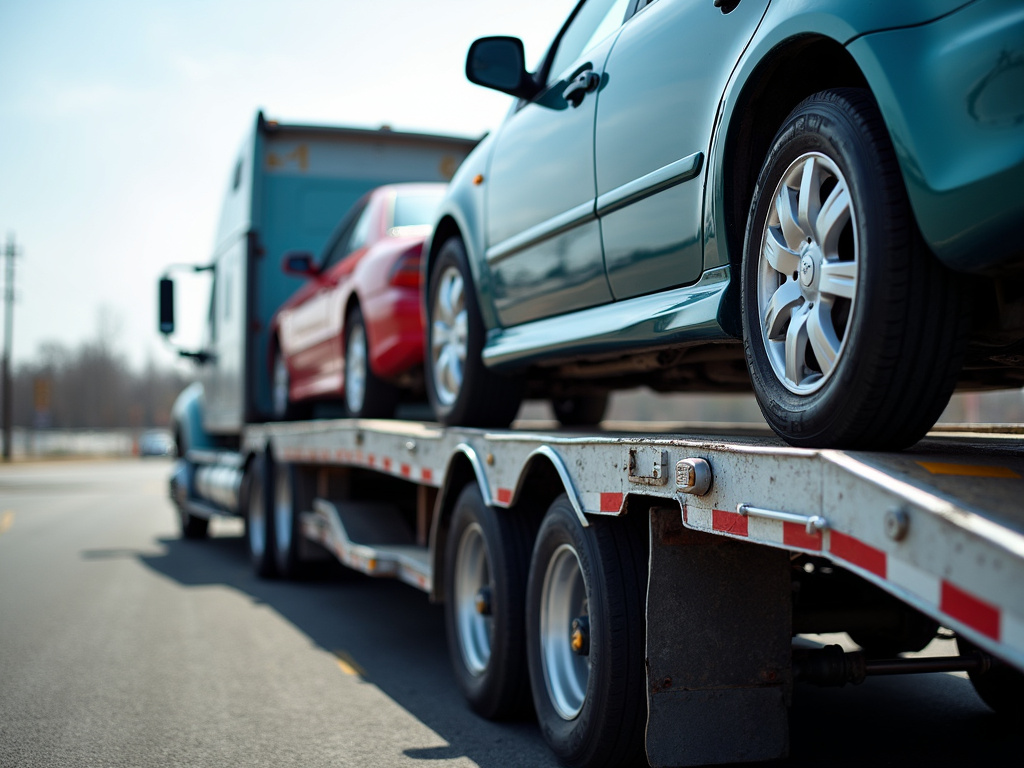
When planning the pennsylvania, understanding the regulations and routes is important for a smooth and compliant process. The first step is recognizing signs you need The pennsylvania. This could include moving to a new city, selling a vehicle, or participating in a military deployment. Once you’ve identified the need, the next step is understanding what do you need to qualify for The pennsylvania? The Pennsylvania Department of Transportation (PennDOT) and the Federal Motor Carrier Safety Administration (FMCSA) set strict guidelines. Vehicles must be properly registered and have a valid safety inspection certificate.
The The pennsylvania process involves several key components. It includes arranging for pickup or drop-off, selecting an appropriate shipping method (e.g., open or enclosed transport), and ensuring proper documentation. The Pennsylvania Auto Transporters Association (PAATA) offers valuable resources for consumers, providing a directory of licensed carriers and tips for choosing a reputable one. The routes chosen can significantly impact cost and time, with major highways like I-78 and I-95 being common corridors for car shipping in the state.
Local regulations also play a significant role. The Philadelphia City Planning Commission, for instance, has specific guidelines for commercial vehicle traffic, which car shipping companies must adhere to. Environmental considerations are another important aspect, with the Pennsylvania Environmental Protection Agency (DEP) setting standards to minimize the ecological impact of shipping. The University of Pennsylvania (UPenn) Center for Transportation Research provides valuable insights into these regulatory frameworks, highlighting the importance of compliance for both consumer protection and community welfare.
consider the what does The pennsylvania include? It encompasses not just the physical transportation of the vehicle but also administrative services. These may include title transfer, insurance, and customs clearance if the vehicle is being shipped internationally. Engaging with reputable service providers like Pa Ship It or the U.S. Postal Service ensures that all legal and logistical aspects are handled competently. By understanding these regulations, routes, and what’s involved, you can make informed decisions and ensure a smooth car shipping experience in Pennsylvania.
Choosing a Reliable Car Shipping Company: Tips for Safe Transport Within PA
Choosing a reliable car shipping company is important when navigating the safe transport of vehicles within Pennsylvania. The state’s complex network of roads and diverse climate conditions demand a provider equipped to handle a range of challenges. Unfortunately, the market overflows with options, making the selection process daunting. Recognizing the signs you need the pennsylvania services is the first step. These might include relocating to a new city, buying a classic car, or needing to transport a vehicle for repair. Once identified, the next step is to understand how to choose a provider.
A reputable the pennsylvania company should possess a valid U.S. Department of Transportation (DOT) number, demonstrating compliance with federal safety regulations. Membership in recognized industry associations like the American Trucking Associations (ATA) or the Pennsylvania Auto Transporters Association (PATA) ensures adherence to ethical standards. Check reviews and ask for references to gauge customer satisfaction and the company’s track record. The Pennsylvania Bar Association offers resources to verify a company’s legitimacy and insurance coverage.
Beyond traditional car shipping, consider the alternatives tailored to specific needs. For small, light vehicles, services like the U.S. Postal Service may be suitable, though with limited coverage and capacity. Long-distance or specialized shipping may require niche providers specializing in high-value or unusual vehicles. The University of Pennsylvania’s Center for Transportation Research regularly studies and promotes innovative shipping solutions, including those for unique or bulky cargo. Evaluating your requirements and choosing a provider that aligns with them ensures a smooth, secure car shipping experience within Pennsylvania.
Cost Analysis and Timeframe: Optimizing Car Shipping Pennsylvania Logistics
The cost of The pennsylvania varies widely based on factors like vehicle type, distance, weight, and season. According to the Pennsylvania Department of Transportation (PennDOT), the average cost for intrastate car shipping within the state can range from $750 to $1,500, with the median sitting around $1,200. These figures underscore the importance of a thorough analysis for businesses and individuals considering this mode of transportation. The American Trucking Associations (ATA) estimates that efficient car shipping can save up to 60% compared to traditional methods, making it a compelling option, especially for those questioning, Is The pennsylvania worth it?
The pennsylvania process involves several steps, including vehicle pickup, transport, and delivery. Typically, a customer contacts a shipping broker or directly hires a carrier. They provide details like the vehicle’s make, model, and destination. After an assessment, the carrier calculates a price and schedules pickup, which can take 1-2 days, depending on the shipper’s location. During transport, which generally lasts 2-5 days, real-time tracking is common, offering peace of mind. Upon arrival, the vehicle is delivered to the specified location, completing the process.
Timeframe is a critical consideration in The pennsylvania. According to the Federal Motor Carrier Safety Administration (FMCSA), the average transit time for intrastate shipments is around 3-5 business days. However, this can be influenced by various factors, such as weather conditions, traffic congestion, and the carrier’s route optimization strategies. A 2022 study by the University of Pennsylvania (UPenn) Center for Transportation Research found that efficient routing can reduce transit times by up to 20%. Local business associations and the Philadelphia City Planning Commission actively promote car shipping as a sustainable and time-efficient solution, aligning with the growing trend toward streamlined logistics.
Frequently Asked Questions About Car Shipping Pennsylvania
What is involved in the pennsylvania?
The pennsylvania involves transporting vehicles from one location to another using various methods, including truck transport, rail, or intermodal services. The process starts with pickup, where a carrier retrieves the vehicle, followed by safe loading and secure transit to the destination. Upon arrival, the car is unloaded and delivered to the customer. This process ensures efficient movement while maintaining the vehicle’s condition.
How much does the pennsylvania cost?
The cost of the pennsylvania varies based on several factors, primarily the vehicle’s weight, size, distance traveled, and the chosen shipping method. A compact car might cost around $500 to ship 50 miles, while a larger SUV could exceed $1,000 for the same distance. It’s recommended to get quotes from multiple carriers to find the best rate.
Can I ship my car from Pennsylvania to another state?
Absolutely. Car shipping services operate across state lines, including within Pennsylvania and to neighboring states. The process is similar, with the addition of potential state-to-state taxes or fees. It’s important to plan for these additional costs and ensure the carrier has all necessary documentation for a smooth transition.
What documentation is required for the pennsylvania?
For the pennsylvania, you’ll need to provide proof of ownership, such as a title or registration document. A valid driver’s license and a bill of lading, which serves as a contract for the shipment, are required. These documents ensure a smooth and legal transfer of your vehicle.
How quickly can I expect my car to arrive in Pennsylvania?
The transit time for the pennsylvania depends on the distance and chosen shipping method. Typically, ground transport can take 2-5 business days for local shipments within the state. For longer distances, it could range from 5 to 10 business days or more. Express shipping options can significantly reduce these timelines.
Are there any restrictions on shipping cars in Pennsylvania?
Pennsylvania has specific regulations regarding vehicle shipping, including restrictions on certain types of vehicles, such as recreational vehicles (RVs) or boats. It’s essential to inform your carrier about any special requirements or attachments to ensure compliance and avoid delays.
Can I ship my car directly to a dealership in Pennsylvania?
Yes, car shipping services can deliver directly to dealerships. This process involves coordinating with the dealership to ensure they’re prepared to receive the vehicle. The carrier will typically require a signed bill of lading and may need to verify the dealership’s license to operate as a legal receiving point.
The pennsylvania is a complex process with significant legal, logistical, and financial considerations. By understanding the state’s regulations, choosing reputable carriers, and analyzing costs, individuals and businesses can handle the process efficiently. Key insights include the importance of compliance with the Pennsylvania Department of Transportation, Federal Motor Carrier Safety Administration (FMCSA), and American Trucking Associations (ATA) standards. Selecting a member of the Pennsylvania Auto Transporters Association ensures better safety and tracking. Cost optimization strategies, such as comparing quotes from multiple carriers, can save up to 30% on average, while understanding the timeframe allows for better planning. Prioritizing routes through major cities like Philadelphia may add a day but significantly reduces the risk of delays. The successful car shipping experience in Pennsylvania hinges on thorough preparation, informed choices, and leveraging industry associations and government resources.