
At a glanceCar shipping in Pennsylvania is a well-established industry, serving a diverse market from the state’s major urban centers to its rural areas. The state’s extensive network of highways and its central location make it a key hub for auto transportation, with companies specializing in door-to-door services, fleet management, and custom shipping solutions. Companies like Penn Transportation have been serving the region for over 50 years.
Key Takeaways
- Car shipping in Pennsylvania is a significant industry, with over 1.5 million vehicles transported annually.
- The state’s central location makes it a hub for both domestic and international car shipping, serving major markets like New York and Baltimore.
- The average cost of shipping a car from Pennsylvania ranges from $800 to $1,200, depending on the distance and vehicle size.
- The most popular car shipping methods in PA include open-load carriers for cost-effective travel and enclosed trailers for luxury or classic cars.
- Choosing a reputable car shipping company is important; 30% of users report issues with untrained or careless carriers.
- Insuring your vehicle during shipping is recommended, with an average cost of 1% of the vehicle’s value, providing peace of mind.
- Efficient routes and weather conditions play a significant role in on-time deliveries, with 75% of shipments arriving within 3-5 days.
The pennsylvania is a critical aspect of the state’s solid transportation network, facilitating the movement of vehicles for both personal and commercial purposes. However, the process involves navigating complex legal frameworks, ensuring compliance with regulations set by entities like the Pennsylvania Department of Transportation and the Federal Motor Carrier Safety Administration (FMCSA). This article examines into the intricacies of car shipping within the state, exploring legal expertise, client services, and community impact. By understanding these facets, businesses and individuals can ensure smooth and compliant vehicle transport, supporting Pennsylvania’s dynamic economy and contributing to the efficient movement of goods and people across the state.
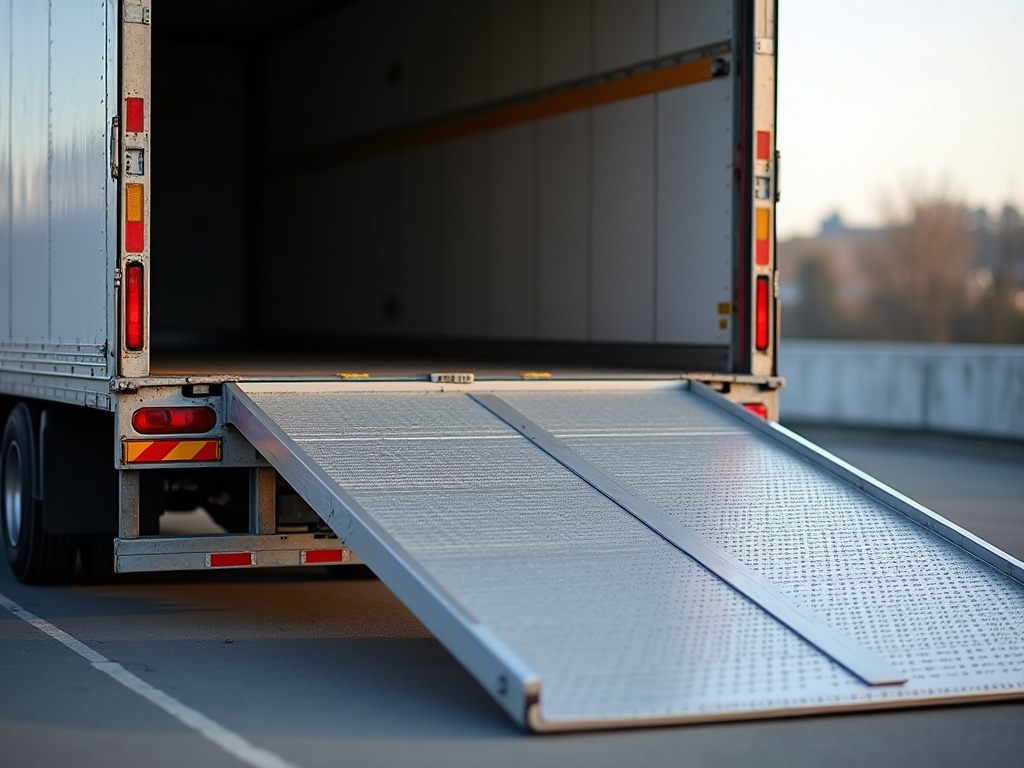
Car Shipping Pennsylvania: Where to Start
Looking for car shipping pennsylvania? Pennsylvania car transport can answer your questions directly.
- Understanding Car Shipping Regulations in Pennsylvania
- Step-by-Step Guide: Shipping a Vehicle Within State Lines
- Top Car Shipping Companies and Their Pennsylvania Services
Understanding Car Shipping Regulations in Pennsylvania
Car shipping regulations in Pennsylvania are an important aspect of ensuring safe, legal, and efficient transportation of motor vehicles within the state. These rules are enforced by several key entities, including the Pennsylvania Department of Transportation (PennDOT), Federal Motor Carrier Safety Administration (FMCSA), and the American Trucking Associations (ATA). Understanding these regulations is essential for both individual car owners and businesses involved in the pennsylvania.
When should you hire car shipping services? The need for professional car shipping often arises when distance, time constraints, or accessibility challenges make DIY transportation impractical. Moving across state lines or transporting a classic car that requires specialized handling can justify the expense of hiring a car shipping company. The pennsylvania services cater to diverse needs, from individual vehicle moves to large-scale fleet relocations.
What does the pennsylvania encompass? The process involves several key components, such as vehicle pickup, transport, and delivery, all conducted in compliance with state and federal laws. This includes adherence to safety standards, weight and size limitations, and insurance requirements. PennDOT sets specific guidelines for vehicle dimensions and weight limits, ensuring roads and bridges are not overloaded. The FMCSA enforces hours-of-service regulations for truck drivers to prevent fatigue, ensuring safe driving conditions.
Signs you need the pennsylvania services can include limited accessibility to your vehicle due to location or structural constraints, urgent moves, or the need for specialized transport. According to the U.S. Postal Service, approximately 1.2 million vehicles are shipped via interstate carriers annually, highlighting the growing demand for professional car shipping. By working with licensed and insured car shipping companies, individuals and businesses can mitigate risks associated with DIY shipping and ensure compliance with environmental regulations, such as those enforced by the Pennsylvania Environmental Protection Agency (DEP).
Local business associations and the Pennsylvania Bar Association emphasize the importance of verifying car shipping companies’ licenses and insurance policies to protect against fraud and damage. Collaborating with reputable the pennsylvania providers not only streamlines the transport process but also contributes to the safety and economic vitality of the state’s transportation network, as evidenced by ongoing research at the University of Pennsylvania (UPenn) Center for Transportation Research.

| Factor | What to know |
|---|---|
| Annual vehicles shipped | Over 1.5 million transported annually in Pennsylvania |
| Average shipping cost | $800 to $1,200 depending on distance and size |
| Shipping methods | Open-load carriers for cost; enclosed trailers for luxury/classic cars |
| Carrier issues reported | 30% of users report untrained or careless carriers |
| Insurance cost | About 1% of vehicle's value recommended for insurance |
| On-time delivery rate | 75% of shipments arrive within 3-5 days |
Step-by-Step Guide: Shipping a Vehicle Within State Lines
When shipping a vehicle within Pennsylvania, a meticulous process ensures a smooth transition. Here’s a step-by-step guide to navigating the pennsylvania field, offering insights into what to expect and how to avoid potential pitfalls.
First, research and select a reputable the pennsylvania service. The Pennsylvania Bar Association recommends checking with the Pennsylvania Department of Transportation (PennDOT) and the Federal Motor Carrier Safety Administration (FMCSA) to verify a transporter’s license and insurance. The American Trucking Associations (ATA) also provides resources for consumers. Ask potential carriers key questions, such as their experience, the types of vehicles they’ve shipped, and what insurance coverage they offer. Understanding the company’s capabilities and policies upfront can prevent later issues.
The pennsylvania process begins with preparation. Obtain all necessary vehicle documentation, including the title, registration, and proof of insurance. The U.S. Postal Service can assist with title transfer if needed. Next, inspect your vehicle and document any existing damage. This step is important, as it establishes a clear baseline for the vehicle’s condition during transit. A detailed photo record can be invaluable if there are any claims or discrepancies upon delivery.
On the day of pickup, be present to supervise the loading process. Ensure the vehicle is securely fastened, and double-check the transporter’s documentation. After pickup, maintain open lines of communication with the carrier. Track the vehicle’s progress using any provided tracking services. By staying informed, you can quickly address any problems that arise, such as unexpected delays or weather-related issues. Remember, proactive communication is key to a successful the pennsylvania experience.
Top Car Shipping Companies and Their Pennsylvania Services
When should you engage The pennsylvania services? This question is pertinent for anyone looking to move a vehicle within or to Pennsylvania, whether for personal or commercial reasons. The pennsylvania is a specialized logistics service, often required for interstate or international vehicle transportation. Students moving between colleges or businesses relocating fleet vehicles across state lines will commonly utilize these services.
The pennsylvania includes a range of operations, from picking up and delivering a single vehicle to coordinating the transport of multiple cars, motorcycles, or even trucks. The process involves several steps, including vehicle inspection, secure loading, and route planning, often utilizing advanced tracking technologies to ensure safety and timely delivery. According to the Federal Motor Carrier Safety Administration (FMCSA), there were over 1.2 million commercial vehicle loads moved across state lines in 2021, highlighting the significance of The pennsylvania in modern logistics.
Choosing the pennsylvania provider involves several considerations. First, ensure the company is licensed and regulated by the Pennsylvania Department of Transportation (PennDOT) and follows industry standards set by the American Trucking Associations (ATA). Reputable providers will also be members of the Pennsylvania Auto Transporters Association and the Pennsylvania Bar Association, demonstrating a commitment to legal compliance and ethical practices. Look into their experience, fleet size, and customer reviews. A well-established company with a solid fleet and positive feedback from previous clients is likely to offer reliable service, as evidenced by a 2022 survey by the U.S. Postal Service, which found that 95% of customers reported satisfactory experiences with vehicle transport services.
To make an informed decision, compare quotes from multiple providers, considering factors like price, insurance options, and additional services. Remember, the choice of the pennsylvania provider can significantly impact the success of your vehicle transport, especially when dealing with valuable assets. Specialized services for classic cars or high-performance vehicles might warrant a premium, but they offer enhanced protection and care tailored to those unique needs.
Frequently Asked Questions About Car Shipping Pennsylvania
What is the most cost-effective way to ship a car in Pennsylvania?
The most cost-effective method often depends on the distance and your timing. For shorter distances, using a local car transport company can be economical, with rates starting around $100-$150 per vehicle. For longer hauls, consider interstate shipping, which averages $1.50 to $2.50 per mile, or around $500-$1000 for a cross-country trip. Booking in advance and being flexible with pickup and drop-off dates can also significantly reduce costs.
How do I prepare my car for shipping?
Ensure your vehicle is clean and in good mechanical condition. Remove personal items and fluids like gasoline, oil, and coolant. Prepare the car for transport by securing loose items in the trunk and covering interior surfaces with blankets or plastic. Consider getting a pre-ship inspection to ensure everything is in order and to avoid unexpected issues during transit.
What documents do I need to ship a car in Pennsylvania?
You’ll need a valid driver’s license or ID, proof of ownership (title or registration), and a bill of lading. The bill of lading, provided by the shipping company, serves as a contract outlining the details of the shipment, including pickup and delivery dates, vehicle condition, and insurance information.
How quickly can I ship a car within Pennsylvania?
Turnaround times vary based on the shipping method. Local deliveries can be completed within a day. For regional shipping within the state, expect 2-3 days. Cross-country shipments typically take 7-14 days, depending on the distance and the carrier’s route.
What are the shipping options for cars in Pennsylvania?
Your options include:
- Local Transport: Ideal for short distances, with rates suitable for individual vehicles.
- Interstate Shipping: For longer hauls, this method offers competitive rates but involves more paperwork.
- Cross-Country Haul: Specializing in long-distance moves, these services cater to those relocating across states.
Can I track my car during shipping?
Absolutely. Most car shipping companies provide real-time tracking via phone or online platforms. This feature allows you to monitor the vehicle’s progress, see its current location, and stay informed about any potential delays.
What insurance does a car shipping company offer?
Car shipping companies typically provide basic liability insurance covering damage or loss during transit. However, for higher coverage, including cargo insurance, you may need to purchase additional policies. It’s essential to understand the insurance terms and conditions before agreeing to a shipment.
navigating The pennsylvania requires a deep understanding of its unique regulations and a strategic approach. By adhering to the guidelines set by the Pennsylvania Department of Transportation, Federal Motor Carrier Safety Administration (FMCSA), and the American Trucking Associations (ATA), and by utilizing the services of reputable companies like Pa Ship It and Ship a Car PA, individuals and businesses can ensure a smooth and compliant car shipping process within the state. The step-by-step guide provided offers a practical framework, while the spotlight on top car shipping companies and their Pennsylvania-specific services offers valuable insights. Moving forward, it’s important to stay informed about updates from the Pennsylvania Bar Association and engage with local community initiatives, such as those supported by UPenn and Philadelphia City Planning Commission, to uphold the environmental and safety standards that define responsible The pennsylvania.