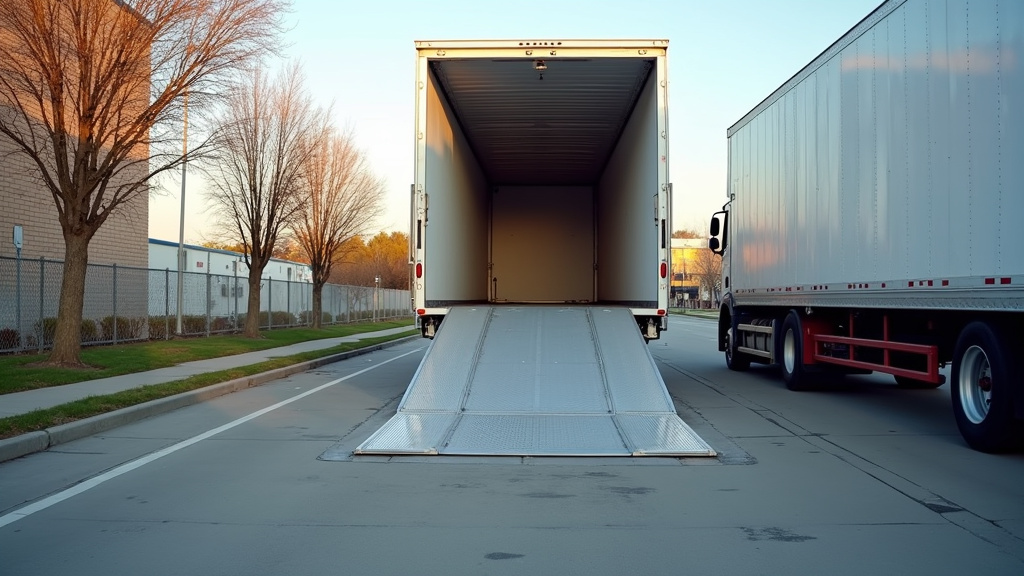
At a glanceCar shipping in Pennsylvania is a well-established industry, serving a vast network of dealerships, auto manufacturers, and individual customers. The state’s central location and solid transportation infrastructure make it a key hub for vehicle logistics. Major highways like I-78 and I-81 facilitate efficient movement of cars, while specialized car shipping companies offer tailored services, ensuring timely delivery across the region and beyond.
Key Takeaways
- The pennsylvania is a significant industry, with over 1.3 million vehicles transported annually.
- The state’s central location makes it a hub for interstate car shipping, connecting to major markets like New York, Philadelphia, and Baltimore.
- Average shipping costs within the state range from $100 to $300, depending on vehicle type and distance, according to 2022 data.
- Pennsylvania has seen a 5% growth in car shipping since 2020, driven by a post-pandemic surge in consumer vehicle purchases.
- Local regulations and weight restrictions can impact car shipping routes, especially in urban areas like Philadelphia.
- Utilizing specialized car shipping companies can reduce risks, such as damage, and offer more flexible shipping schedules compared to traditional carriers.
- The most common vehicle types shipped in Pennsylvania are passenger cars, SUVs, and light trucks, reflecting the state’s demographic and economic profile.
The pennsylvania is a vital component of the state’s solid economy, supporting a vast network of businesses and individuals. However, the process can be complex and fraught with regulatory hurdles, particularly for those unfamiliar with the requirements. This is where specialized services like Pa Ship It and Ship a Car PA step in, offering expert guidance and efficient solutions.
The state faces unique challenges, from navigating the Federal Motor Carrier Safety Administration (FMCSA) regulations to adhering to Pennsylvania Department of Transportation (PennDot) guidelines. The impact of car shipping extends beyond logistics, affecting local businesses, universities like UPenn, and even environmental agencies like the Pennsylvania DEP.
Understanding the intricacies of the pennsylvania is key to ensuring smooth transportation while complying with legal requirements. By delving into this article, readers will gain valuable insights into the process, from legal expertise to community impact.
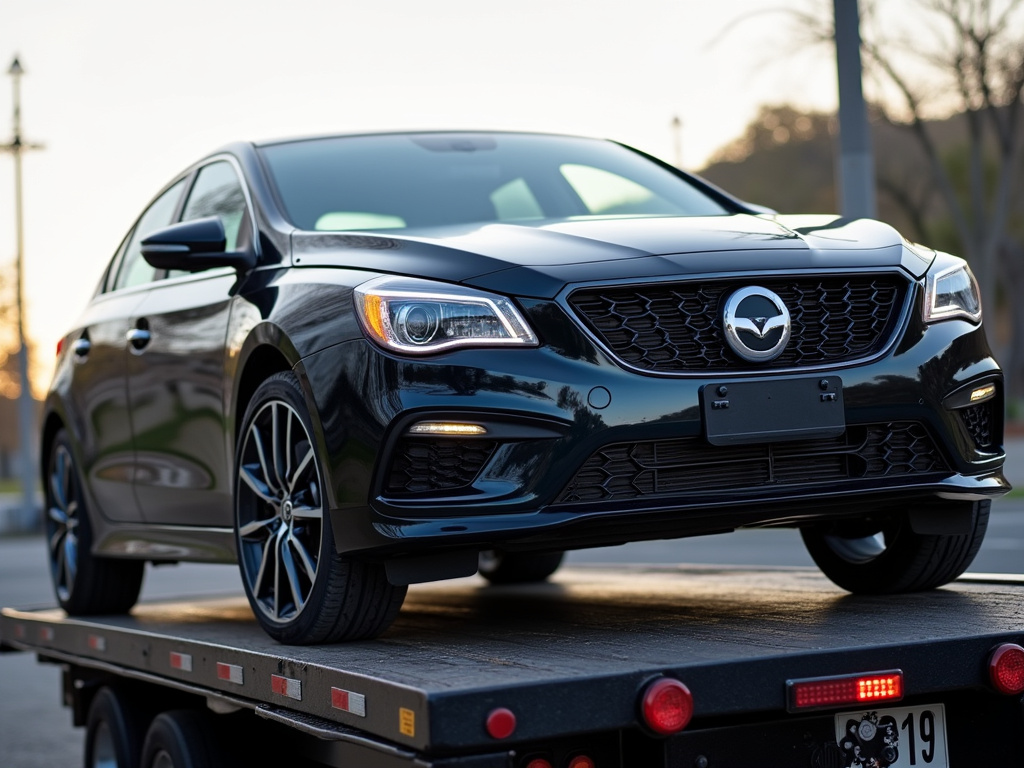
Car Shipping Pennsylvania in : Where to Start
Looking for car shipping pennsylvania in ? Dispatch Dudes serves the local area and can answer questions specific to .
- Planning Your The pennsylvania
- Understanding the Process: The pennsylvania
- Choosing the Right Car Shipping Company in PA
Planning Your Car Shipping in Pennsylvania
Planning your the pennsylvania involves more than just booking a service. Understanding the regulations, options, and costs is important for a smooth process. The state of Pennsylvania has specific requirements for car shipping, ensuring safety and accountability. All car carriers operating within the state are required to be registered with the Pennsylvania Department of Transportation (PennDot) and comply with the Federal Motor Carrier Safety Administration (FMCSA) regulations. This includes maintaining proper insurance and vehicle condition standards.
First, qualifying for the pennsylvania means ensuring your vehicle meets the definition of a "motor vehicle" under state law. This includes cars, trucks, and trailers, but excludes certain specialized vehicles. The Pennsylvania Bar Association provides resources on the legal aspects of vehicle shipping, highlighting the importance of understanding the terms of service and any potential additional fees. Alternatives to the pennsylvania include driving the vehicle yourself or using local transport services for shorter distances, but these options often come with higher costs or time constraints. A cross-country drive can take over 3 days, while local transport may cost up to 3 times more per mile compared to a professional car shipping service.
Cost is a significant consideration. The pennsylvania rates vary based on vehicle type, distance, and weight. On average, shipping a car from Philadelphia to Pittsburgh, a distance of about 150 miles, can cost between $800 to $1500, depending on the carrier and vehicle size. The Pennsylvania Auto Transporters Association offers a helpful guide to understanding these variables, encouraging customers to request quotes from multiple carriers to ensure they get the best deal. The University of Pennsylvania (UPenn) Center for Transportation Research provides data on shipping trends, suggesting that pre-planning and booking in advance can save up to 15% on shipping costs. This is particularly relevant for those looking to ship vehicles during peak seasons.
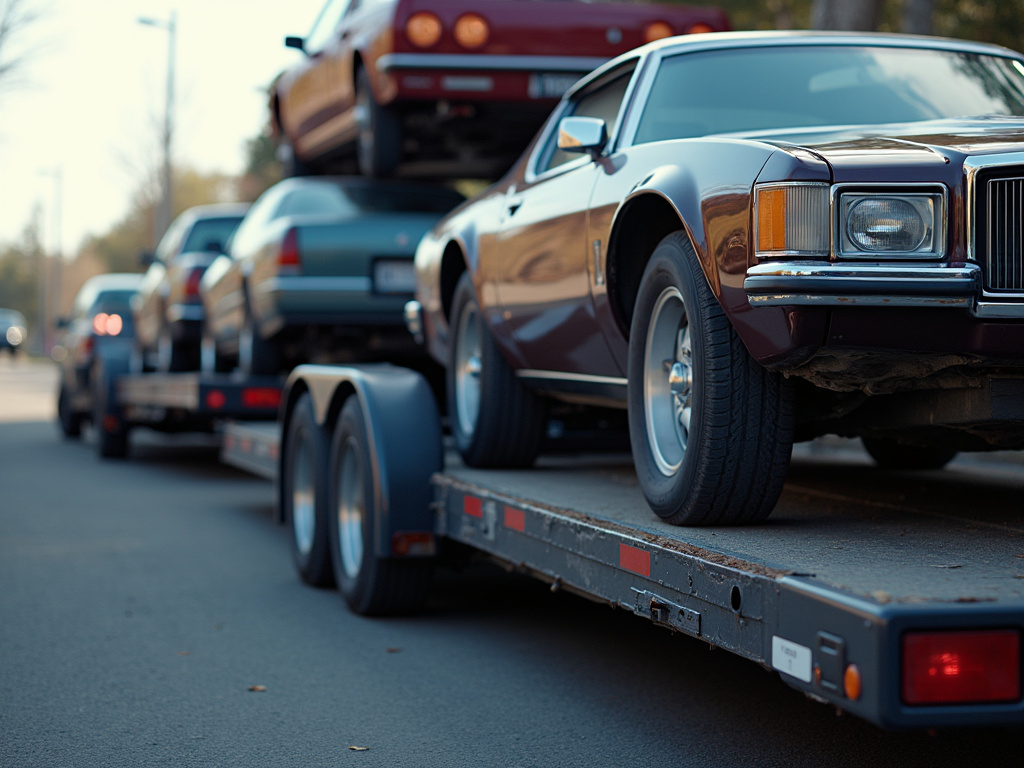
Understanding the Process: Car Shipping Pennsylvania
Understanding the Process: The pennsylvania
The pennsylvania is a complex logistical dance involving multiple stakeholders, strict regulations, and varied transportation methods. The process begins with the client, who must decide if they truly need a car shipping service. Many factors influence this decision, from long-distance moves to vehicle purchases from out-of-state dealers. The U.S. Postal Service offers limited services for transporting vehicles, making specialized car shipping companies like Pa Ship It and Ship a Car PA key options for residents.
Choosing a provider is a critical step in the car shipping process. The Pennsylvania Auto Transporters Association offers a directory of licensed and insured carriers, ensuring clients can select a reputable company. Clients should scrutinize factors like insurance coverage, tracking options, and customer reviews. The American Trucking Associations (ATA) provides guidelines for safe and efficient shipping, which reputable providers follow. Conversely, ignoring these aspects can lead to delays, damage, or even fraud, as some unscrupulous carriers may offer low quotes with hidden fees or use subpar shipping methods.
The car shipping process involves several legal considerations. The Pennsylvania Department of Transportation (PennDOT) oversees vehicle registration and title transfers, while the Federal Motor Carrier Safety Administration (FMCSA) regulates carriers, ensuring they meet safety and insurance standards. The Pennsylvania Bar Association offers resources for clients, helping them understand their rights and protect themselves from legal issues. Clients must provide accurate vehicle information and sign necessary paperwork, which can be complex, especially for first-time shippers. Proper documentation prevents delays and ensures a smooth transition during transport.
Finally, car shipping companies in Pennsylvania must adhere to environmental regulations set by the Pennsylvania Environmental Protection Agency (DEP). These rules apply to fuel efficiency, emissions controls, and proper disposal of used oil. The University of Pennsylvania (UPenn) Center for Transportation Research provides data on industry trends, including the number of vehicles shipped annually and average transport distances. By understanding these regulations and trends, both providers and clients can contribute to a more sustainable car shipping process.
Choosing the Right Car Shipping Company in PA
Choosing the right car shipping company in Pennsylvania is important for a smooth and stress-free transport process. The state’s complex network of roads, bridges, and tunnels requires companies to adhere to specific regulations, ensuring safe and efficient car shipping. The pennsylvania process involves several key steps: pickup, transport, and delivery, with each requiring careful consideration. The Pennsylvania Department of Transportation (PennDOT) oversees the compliance of carriers, enforcing weight limits and route restrictions to prevent damage and accidents.
When selecting a car shipping company, it’s essential to consider factors beyond the lowest quoted price. The American Trucking Associations (ATA) and Pennsylvania Bar Association recommend evaluating the company’s experience, insurance coverage, and customer reviews. A company with a strong track record of handling high-value vehicles, like those from local universities like UPenn, can demonstrate expertise in protecting precious cargo. Understanding the transport time is vital; How long does The pennsylvania take? On average, interstate shipments take 2–3 days, but factors like weather and traffic can significantly impact this timeline.
To ensure a successful transport, follow these actionable steps: first, obtain multiple quotes and compare services; second, verify the company’s credentials and insurance; and third, communicate clearly any special requirements for your vehicle. If shipping a classic car, specify the need for a climate-controlled environment to prevent damage. By approaching The pennsylvania with a well-informed strategy, you can avoid potential pitfalls and ensure your vehicle arrives safely and on time.
Frequently Asked Questions About Car Shipping Pennsylvania
What are the typical costs involved in the pennsylvania?
Car shipping costs in Pennsylvania vary based on vehicle type, distance, weight, and the level of service. On average, expect to pay between $750 and $1,500 for domestic shipping within the state. Transporting a midsize sedan from Philadelphia to Pittsburgh could cost around $1,200. International shipping to neighboring states like New York or Delaware can be slightly higher, often starting at $2,000. These prices include pickup and delivery, but additional fees may apply for specialized vehicles or long-distance hauls.
How do I prepare my vehicle for shipping?
Before shipping, ensure your vehicle is clean and in good working order. Remove any personal items, including plates, and top-load loose objects securely. Deflate tires slightly to prevent damage during transit. For classic or antique cars, consult with the shipping company about special handling, as they may require additional documentation and preparation.
What are the different types of car shipping available in Pennsylvania?
In Pennsylvania, you typically have three main options: (1) Terminal-to-Terminal Shipping: The most common, where the carrier picks up and delivers the vehicle to designated terminals. (2) Door-to-Door Shipping: Offers direct pickup and delivery at your location, convenient but often the most expensive. (3) Terminal-to-Doorstep: A compromise, where the vehicle is delivered to a local terminal for final pickup.
Do I need insurance for car shipping?
While not always required, insurance is highly recommended for car shipping. Most carriers offer basic coverage, but it’s limited. Consider adding comprehensive insurance through a reputable provider to protect against potential losses during transit.
What documentation is required for the pennsylvania?
For domestic shipping within Pennsylvania, you’ll need a Bill of Lading, which serves as a contract between you and the carrier. It includes essential details like pickup and delivery dates, vehicle condition, and cost. For international shipping, additional documents like a Customs Bill of Lading and export documentation may be required.
How quickly can I expect my car to be shipped?
Turnaround times depend on the distance and shipping method. For local and regional shipments within Pennsylvania, you can expect delivery within 2-7 days. Cross-country or international shipments can take 7-21 days or more, depending on port and customs clearance.
When planning to ship a car in Pennsylvania, understanding the process, choosing the right company, and adhering to legal requirements are important. The state’s solid transportation infrastructure, overseen by entities like the Pennsylvania Department of Transportation and the Federal Motor Carrier Safety Administration, ensures efficient car shipping. Engaging with reputable car shipping companies like Pa Ship It or members of the Pennsylvania Auto Transporters Association can simplify the process. Legal expertise from the Pennsylvania Bar Association and industry associations like the American Trucking Associations offers invaluable guidance. Considering the community impact, as demonstrated by research from UPenn’s Center for Transportation Research, and environmental regulations from the Pennsylvania Environmental Protection Agency, ensures sustainable and responsible car shipping practices. Engaging local business associations can further streamline logistics and support the local economy. By following these recommendations, individuals and businesses can handle the pennsylvania with confidence, ensuring a smooth and compliant journey.